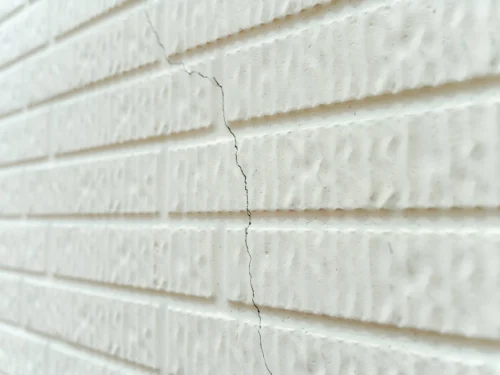

Basement odors are not just unpleasant, they are a sign of moisture problems that can grow into serious structural and health issues if ignored. Excess moisture in basements can support mold growth, weaken building materials, and create a persistent musty odor that many homeowners struggle to eliminate. This guide provides a clear and comprehensive explanation of how to get rid of damp smell in basement environments using practical, homeowner-friendly steps. From identifying moisture sources to applying long-term solutions such as waterproofing systems, this article lays out everything you need to know to create a cleaner, drier, healthier basement.
Key Takeaway
A musty or damp basement smell is not a simple cleaning issue, it is a moisture issue. Lasting results require addressing both the odor and the source of the moisture. Short-term odor removal methods help temporarily, but long-term fixes depend on moisture control, ventilation, and professional waterproofing systems. If your basement continues to feel humid, smell musty, or show signs of water intrusion, contacting a professional waterproofing team is the most reliable way to ensure your basement remains dry and odor-free.
Have you ever walked into your basement and immediately noticed a damp, musty smell that made you wonder what is happening behind the walls or beneath the floor?
Basements are naturally vulnerable to moisture because they sit below ground. Soil holds water. Concrete absorbs moisture. Humid air gets trapped easily. All of these conditions create a perfect environment for musty odors. Many U.S. homeowners search for how to get rid of damp smell in the basement, but few understand how moisture moves, how it enters, and why odors return even after cleaning.
According to a study, mold can begin growing within 24–48 hours when moisture is present. This makes basement moisture more than a simple comfort issue, it is a home health issue.
This article gives you a complete understanding of basement moisture, causes, solutions, and long-term prevention. You will learn the best damp basement solutions, how to resolve damp basement smell problems, how to manage a damp basement floor, and how to achieve long-term success with professional waterproofing systems.
And in the end, you will understand the full picture of how to get rid of damp smell in basement environments and protect your home for years to come.
Moisture Entry: How Water Actually Gets Into a Basement
Moisture can enter basements in several ways, depending on building age, soil type, drainage design, and home construction.
1. Vapor Diffusion
Concrete is not waterproof. It allows water vapor to pass through it. Even if the walls look dry, moisture can still travel through them invisibly. This continuous vapor release contributes to humidity and damp basement smell issues.
2. Capillary Action
Concrete acts like a sponge. It pulls moisture upward from surrounding soil. If your basement lacks proper waterproofing, this moisture slowly rises into the interior.
3. Hydrostatic Pressure
This occurs when groundwater builds up around your foundation. The pressure pushes water into cracks or weak points. This is a major cause of:
- Wall leaks
- Floor seepage
- A damp basement floor
- Persistent musty odors
4. Air Infiltration
Warm, humid outdoor air mixes with cool basement air and condenses on surfaces. This leads to moisture on:
- Pipes
- Walls
- Floors
- Stored items
5. Plumbing Leaks
A small leak inside a wall can cause ongoing moisture problems. Because basements are dark and enclosed, these leaks often affect air quality before becoming visible.
Understanding these mechanisms helps homeowners grasp why solving how to get rid of damp smell in the basement requires more than cleaning.
Why Basements Develop Damp and Musty Odors
Basement odors are not random. They are an early warning sign that moisture is entering your foundation, affecting building materials, or becoming trapped in the air. Homeowners frequently ask about how to get rid of musty smell in basement areas, but the real solution begins with understanding what allows the smell to develop.
Below are the most common causes of a damp basement smell:
1. Moisture Seeping Through Walls or Floors
Basements sit underground, surrounded by soil that naturally holds moisture. When moisture pushes through concrete which is a porous material, it can create a damp basement floor or wet spots on walls. Over time, even small amounts of moisture create ideal conditions for musty odors.
2. Poor Ventilation and Stagnant Air
Most basements have limited airflow. Without consistent ventilation, humid air becomes trapped and stale. This stagnant environment allows odors to collect and intensify.
3. Mold and Mildew Growth
Mold and mildew thrive anywhere moisture is present. The musty odor many homeowners notice is often the smell of microbial volatile organic compounds (MVOCs) produced during mold growth.
This is one of the biggest triggers for removing musty smell from basement spaces.
4. Hidden Leaks or Groundwater Issues
A small plumbing leak or groundwater seepage behind walls or under the slab can keep moisture levels high without being immediately visible. If your basement smells musty regardless of the season, a hidden leak may be responsible.
5. Condensation on Cool Surfaces
Pipes, concrete walls, and uninsulated metal can accumulate condensation during humid months. The resulting moisture contributes to lingering odors and mold growth.
These causes all contribute to a damp, unpleasant environment that cannot be fixed with air fresheners or surface-level cleaning. Instead, you must remove the odor and eliminate its source.
How to Get Rid of Damp Smell in the Basement: Practical Steps for Homeowners
The following steps explain exactly how to get rid of damp smell in basement environments using clear, manageable solutions.
Step 1: Start With a Deep Clean
A full cleaning is the first and most immediate step. Dust, old cardboard boxes, paper items, and cloth materials all absorb moisture and retain odors. Removing or cleaning these items helps reduce the intensity of the smell.
Recommended cleaning steps:
- Remove clutter or stored items sitting directly on the floor
- Sweep and vacuum the entire area
- Disinfect floors and walls
- Inspect corners and behind stored objects
This step often brings short-term relief and helps expose underlying moisture sources.
Step 2: Improve Airflow and Ventilation
Ventilation is one of the most effective and overlooked damp basement solutions. Fresh air helps dry out moisture and prevents odors from settling.
Ways to improve airflow:
- Open windows during dry weather
- Install an exhaust fan designed for basements
- Add a basement-rated ceiling or wall fan
- Avoid storing items directly against walls
Better airflow naturally helps make the basement smell better without relying on chemicals or odor-masking products.
Step 3: Use a High-Quality Dehumidifier
A dehumidifier is essential in any basement. This single device can remove significant amounts of moisture, reduce odors, and prevent mold growth.
According to EPA.gov, keeping indoor humidity below 50% dramatically reduces mold-related risks. Set your dehumidifier between 40%–50% for best results.
This is one of the most effective answers to how to get rid of damp smell in basement environments, especially in humid regions of the United States.
Step 4: Identify and Dry the Source of Moisture
If your damp basement floor remains wet even after cleaning, you likely have a moisture intrusion issue. Check for the following signs:
- Water lines along the floor
- Efflorescence (white powder on walls)
- Musty odor that returns quickly
- Damp areas after rain
- Spalling concrete
If you notice any of these symptoms, you will need stronger, more permanent damp basement solutions such as waterproofing or drainage systems.
Step 5: Use Odor Absorbers to Reduce the Smell
While you address the moisture source, odor absorbers can make the basement more pleasant.
Options include:
- Activated charcoal
- Baking soda
- Vinegar bowls
- Commercial odor-absorbing gels
These options help with removing musty smell from basement spaces but should not be mistaken for long-term solutions.
Step 6: Seal Cracks and Gaps
Small cracks in the basement wall or floor allow moisture to slip inside. These cracks should be sealed with appropriate concrete repair materials.
Seal:
- Floor cracks
- Wall cracks
- Gaps around windows
- Gaps around utility lines entering the basement
This step supports moisture control and improves the effectiveness of other damp basement solutions.
Step 7: Install or Upgrade Basement Waterproofing Systems
If odors persist after cleaning and dehumidifying, the real solution requires a professional waterproofing strategy. Waterproofing products stop water at the source and create long-term protection.
Effective waterproofing options include:
- Interior drainage channels
- Sump pump systems
- Wall vapor barriers
- Drain tiles
- Exterior waterproofing membranes
- Moisture-blocking floor coatings
These solutions eliminate the conditions that cause musty odors.
You can explore professional basement waterproofing systems here.
If you are committed to permanently understanding how to get rid of damp smell in the basement, waterproofing is the most dependable long-term answer.
Step 8: Install Vapor Barriers
Concrete continuously releases moisture into the air through vapor transfer. Vapor barriers block this movement and stabilize indoor humidity levels.
Proper vapor barriers help reduce:
- Mold risks
- Mildew growth
- Long-term basement odors
This step is essential for homeowners researching how to get rid of musty smell in basement conditions.
Step 9: Insulate Pipes and Cold Surfaces
Condensation occurs when warm air meets cold surfaces. This moisture can drip onto floors, walls, or stored items, creating or worsening odors. Insulating these surfaces helps eliminate this source of moisture.
Step 10: Use Air Purifiers and HVAC Filters
Air purifiers do not fix moisture problems, but they improve air quality by removing:
- Mold spores
- Dust
- Odor particles
When paired with other strategies, air purifiers help improve indoor comfort while you work on long-term solutions.
The Hidden Nature of Basement Odors and Why They Return
Many U.S. homeowners experience a recurring basement odor that comes back even after cleaning. This happens because building materials such as concrete, wood, and drywall absorb moisture like a sponge. Once humidity levels drop, the stored odor gets released back into the space.
This cycle continues unless moisture is controlled. Basement materials involved in odor retention include:
- Concrete floors
- Poured concrete walls
- Wood framing
- Cardboard storage boxes
- Carpeting or rugs
- Insulation
This explains why so many homeowners search for damp basement smell, removing musty smell from the basement, or how to make the basement smell better, the odor never fully disappears without active moisture management.
Why Basement Odor Control Matters for Health and Home Safety
Addressing basement moisture is not optional. It is a matter of protecting your home, health, and long-term investment.
1. Health Risks
According to the CDC, damp indoor environments can increase the likelihood of respiratory irritation for sensitive individuals. The EPA also warns that poor indoor air quality can aggravate existing health concerns.
2. Damage to Home Structure
Moisture can weaken:
- Foundation walls
- Floor joists
- Wood framing
- Insulation
- Stored belongings
3. Risk to Property Value
A musty basement smell can raise concerns for buyers and inspectors, affecting resale value.
4. Higher Energy Costs
Moisture makes your HVAC system work harder, increasing monthly energy bills.
These risks demonstrate why understanding how to get rid of damp smell in basement spaces is essential for every homeowner.
Long-Term Prevention: Keeping the Odor Away Permanently
Once the odor is eliminated, consistent long-term care helps maintain a healthy basement environment.
Recommended habits:
- Run a dehumidifier regularly
- Keep gutters and downspouts clean
- Inspect for leaks twice per year
- Test sump pumps annually
- Store items in airtight containers
- Avoid carpeting on concrete
- Maintain strong airflow
These habits ensure the effectiveness of all damp basement solutions and help prevent the return of odors.
When You Should Contact a Professional
If your basement experiences any of the following, it is time for expert help:
- Persistent musty odor
- A damp basement floor at any time of year
- Visible mold growth
- Cracks in walls or foundation
- Repeated water intrusion
- High humidity even with dehumidifiers
Professional waterproofing protects your property from long-term moisture damage and ensures your basement remains dry and odor-free.
Conclusion: The Most Effective Way to Remove Basement Odors
Learning how to get rid of damp smell in basement spaces is a matter of addressing both the odor and the moisture that causes it. Temporary fixes may offer short relief, but long-term results depend on waterproofing, ventilation, moisture control, and structural protection.
Your home deserves to feel safe, clean, and healthy. If you want a dry basement with no musty smell and lasting protection for your foundation, professional guidance is the most reliable path forward.
If your basement feels damp, smells musty, or shows signs of moisture, our waterproofing experts can help you eliminate the odor and protect your home with proven systems.
Contact Virginia Foundation Solutions today. We specialize in long-term basement waterproofing solutions for U.S. homeowners who want real results, not temporary fixes.
Are you ready to finally solve your basement moisture and odor problems for good?
Frequently Asked Questions
1. How long does it take to get rid of a damp smell in the basement?
The timeline depends on the severity and source of the odor. If the smell is caused by surface moisture and minor humidity, you may notice improvement within a few days after cleaning, ventilating, and running a dehumidifier. However, if the odor is due to hidden leaks, mold, or persistent moisture intrusion, it can take several weeks and may require professional waterproofing for permanent results. Consistent moisture control is key for lasting odor removal.
2. Can a damp basement smell make you sick?
Yes, a persistent musty or damp smell often signals mold or mildew, which can release spores and volatile organic compounds (VOCs) into the air. Prolonged exposure may cause respiratory irritation, allergies, headaches, or worsen asthma, especially for sensitive individuals. Addressing the source of moisture and improving air quality helps protect your family’s health.
3. What is the best dehumidifier setting for a basement?
For most basements, set your dehumidifier to maintain relative humidity between 40% and 50%. This range is effective for preventing mold and mildew growth while keeping the air comfortable. Monitor humidity levels with a hygrometer and adjust settings seasonally as needed.
4. Is it safe to use air fresheners or scented candles to mask basement odors?
Using air fresheners or candles only covers up the odor temporarily and does not address the underlying moisture problem. Some products can also introduce additional chemicals (VOCs) into the air, which may be harmful in poorly ventilated spaces. It’s safer and more effective to eliminate the source of the smell rather than mask it.
5. Why does my basement smell musty only after it rains?
A musty smell after rainfall usually indicates water intrusion from outside. Rainwater can seep through foundation cracks, poorly sealed windows, or inadequate drainage around your home. Inspect your gutters, downspouts, and grading, and consider sealing any visible cracks to prevent water from entering the basement during wet weather.
6. Can I waterproof my basement myself, or do I need a professional?
Some basic waterproofing tasks such as sealing small cracks, applying waterproof paint, or installing a vapor barrier can be done by homeowners. However, if you have ongoing water intrusion, structural cracks, or persistent odors, it’s best to consult a professional. Experts can recommend comprehensive solutions like sump pumps, drainage systems, or exterior waterproofing for long-term protection.
7. Will removing carpet or rugs help get rid of basement odors?
Yes, removing carpets or rugs especially if they are damp or show signs of mold can significantly reduce basement odors. These materials trap moisture and can harbor mold spores. Opt for hard flooring options like sealed concrete, vinyl, or tile, and use area rugs that can be easily cleaned and dried if needed.