
Commercial properties depend on more than visible features to remain safe, functional, and valuable over time. One of the most critical yet often overlooked components is the foundation. This article explains why a commercial foundation inspection is essential for protecting structural stability, supporting property value, and reducing long-term risk. It outlines how foundation issues develop, what professional inspections involve, and how they fit into due diligence, risk management, and asset planning. By understanding the role of foundation inspections, commercial property owners, investors, and buyers can make informed decisions that prevent costly repairs and protect their investments.
Key Takeaways
A commercial foundation inspection is a vital step in maintaining the safety, performance, and market value of any commercial property. Regular inspections help identify early signs of foundation movement, prevent structural damage, and support compliance with buyer, lender, and insurer expectations. When combined with a structural inspection and a property condition assessment, foundation evaluations provide a complete picture of building health. Proactive inspections reduce financial risk, support long-term asset planning, and strengthen confidence during real estate transactions. Investing in professional foundation inspections today can prevent major disruptions and unexpected costs in the future.
Commercial real estate represents one of the most significant financial commitments a business owner or investor can make. From office complexes and retail centers to warehouses and mixed-use developments, the performance and value of these assets depend heavily on structural integrity. While visible components such as roofs, façades, and mechanical systems receive regular attention, the foundation is often overlooked — despite being the most critical structural element of all.
A professional commercial foundation inspection plays a central role in protecting a property’s stability, safety, and long-term value. Without it, foundation-related issues can progress silently, eventually leading to structural failure, operational disruptions, and costly repairs.
This article explains why commercial foundation inspections are essential, how they work, and how they support informed decision-making for owners, buyers, and investors.
The Foundation’s Role in Commercial Property Performance
A building’s foundation is designed to transfer structural loads safely into the ground while maintaining alignment and stability over time. In commercial properties, foundations are engineered to support heavier loads, higher occupancy, and more complex building systems than residential structures.
Common foundation systems used in commercial construction include:
- Slab-on-grade foundations
- Pier and beam systems
- Deep foundations with piles or caissons
- Mat or raft foundations
Each foundation type responds differently to soil behavior, moisture conditions, and load changes. Over time, even well-designed foundations can experience movement due to environmental and operational factors. A commercial foundation inspection evaluates whether the foundation continues to perform as intended under current conditions.
Why Foundation Issues Are Common in Commercial Buildings
Foundation problems in commercial properties are more widespread than many owners realize. Several contributing factors make these structures particularly vulnerable:
- Expansive clay soils that shrink and swell with moisture changes
- Poor surface or subsurface drainage
- Long-term water infiltration
- Heavy equipment vibration and dynamic loading
- Soil erosion beneath slabs
- Aging construction materials
- Nearby excavation or new construction
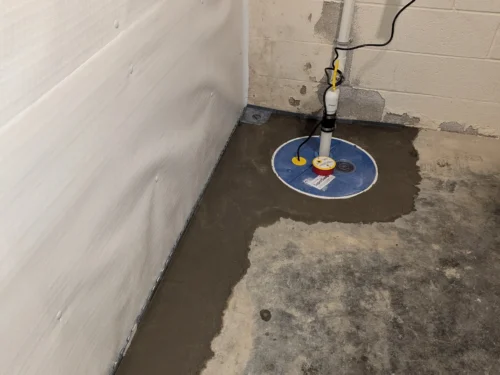
Because commercial buildings are often constructed with thicker slabs and reinforced materials, foundation movement may not be immediately visible. This delayed detection makes routine inspections even more important. For example, unseen moisture accumulating beneath a crawl space or slab can significantly affect stability over time.
What Is a Commercial Foundation Inspection?
A commercial foundation inspection is a professional evaluation of the foundation’s condition, alignment, and performance. It is frequently conducted as part of a broader structural inspection, but with a specific focus on foundation systems and soil interaction.
During the inspection, professionals assess:
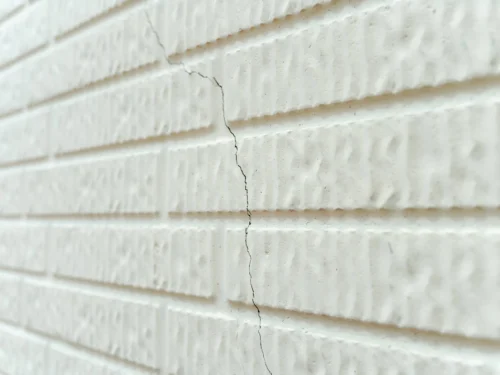
- Cracking patterns and widths
- Differential settlement or heaving
- Floor elevation changes
- Load transfer efficiency
- Signs of moisture intrusion
- Evidence of previous repairs
The objective is not only to identify visible damage but also to determine the underlying causes and assess future risk.
Schedule your free inspection, today!
How Commercial Foundation Inspections Support Structural Stability
Preventing Progressive Structural Damage
Foundation movement rarely remains isolated. When the foundation shifts, stresses are transferred to walls, columns, beams, and floors. Over time, this can compromise the entire structural system.
A structural inspection combined with foundation analysis helps identify how foundation movement affects load paths and building alignment. Early detection allows owners to address issues before they escalate into major structural failures.
Enhancing Occupant Safety
Commercial properties must provide a safe environment for occupants, visitors, and employees. Foundation movement can result in:
- Uneven walking surfaces
- Misaligned doors and emergency exits
- Cracking in fire-rated walls
- Disruption of fire suppression systems
Routine commercial foundation inspection services help mitigate safety risks and reduce potential liability. In certain cases, crawl space conditions — if present beneath parts of the structure — can exacerbate moisture and pest problems. Be sure to review our crawl space inspection checklist to understand how crawl space issues can relate to broader structural concerns.
Protecting and Enhancing Property Value
In commercial real estate transactions, buyers often require a property condition assessment as part of due diligence. Foundation integrity is one of the most scrutinized aspects of these evaluations.
Properties with unresolved foundation issues may experience:
- Reduced sale prices
- Extended time on the market
- Increased buyer concessions
- Financing challenges
Conversely, properties with documented inspections demonstrate transparency and reliability, strengthening buyer confidence and preserving value.
Facilitating Financing and Insurance Approval
Lenders and insurers assess risk carefully. A recent commercial foundation inspection can support loan approvals, favorable insurance terms, and smoother underwriting processes by confirming structural stability.
Foundation Inspections as a Critical Due Diligence Tool
For investors and buyers, foundation inspections are not optional. They are a critical component of risk assessment.
A comprehensive property condition assessment typically includes:
- Foundation systems
- Structural framing
- Building envelope
- Mechanical and electrical systems
By identifying foundation-related concerns early, buyers can renegotiate terms, plan repairs, or avoid high-risk acquisitions altogether.
What Professionals Evaluate During a Commercial Foundation Inspection
Visual and Surface Indicators
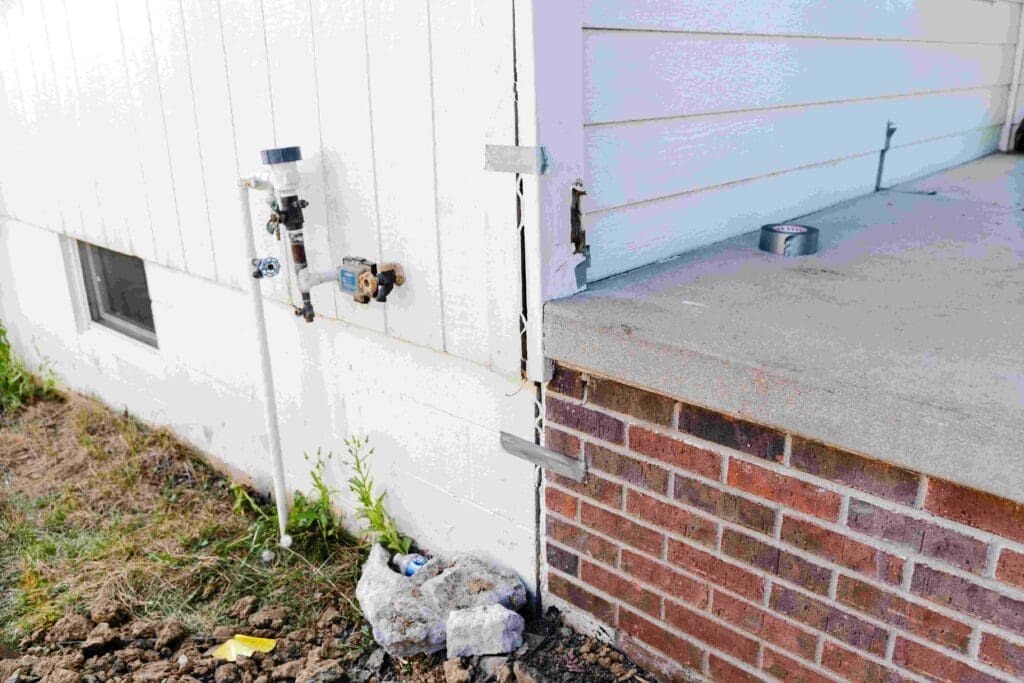
Inspectors begin by identifying visible signs of distress, including:
- Horizontal, vertical, or stair-step cracking
- Floor slope or unevenness
- Separation between walls and ceilings
- Misalignment of doors and windows
These indicators often provide early clues about underlying foundation movement.
Subsurface and Environmental Conditions
Beyond visible symptoms, inspectors evaluate contributing factors such as:
- Soil composition and moisture levels
- Drainage effectiveness
- Evidence of erosion or voids
- Water table influence
Understanding these conditions is essential for determining whether movement is ongoing or stable.
The Role of Structural Inspection in Foundation Analysis
A structural inspection complements foundation evaluation by examining how foundation behavior affects the entire building system.
Structural professionals assess:
- Column and beam alignment
- Load distribution efficiency
- Floor and roof framing response
- Expansion joints and movement allowances
Together, foundation and structural inspections provide a comprehensive understanding of building performance.
Importance of a Commercial Building Inspection Checklist
Professional inspectors rely on a standardized commercial building inspection checklist to ensure thorough and consistent evaluations.
This checklist commonly includes:
- Foundation type and construction method
- Crack location, size, and progression
- Settlement measurements and tolerances
- Drainage and moisture management systems
- Evidence of previous repairs or modifications
Using a detailed commercial building inspection checklist ensures that no critical component is overlooked and that findings are clearly documented.
When a Commercial Foundation Inspection Should Be Conducted
A commercial foundation inspection is recommended in several scenarios:
- Prior to purchasing or selling a property
- When visible cracks or floor movement appear
- Before major renovations or additions
- Following flooding or drainage failures
- For buildings over ten years old
- In regions with expansive or unstable soils
Routine inspections help prevent minor issues from becoming major capital expenses.
Managing Risk Through Proactive Foundation Inspections
Ignoring foundation concerns increases operational and financial risk. Delayed action often results in higher repair costs and unplanned downtime.
Proactive inspections allow owners to:
- Identify issues early
- Plan repairs strategically
- Allocate capital efficiently
- Maintain tenant confidence
A professional commercial foundation inspection is an essential risk management tool for any commercial asset.
Repair Versus Monitoring: Making Informed Decisions
Not all foundation movement requires immediate repair. Some conditions may be stable and suitable for monitoring.
Inspection reports typically clarify:
- Whether movement is active or historic
- Severity and progression risk
- Recommended corrective actions
- Monitoring intervals if repairs are deferred
This guidance helps owners avoid unnecessary expenses while maintaining safety and performance.
Supporting Long-Term Asset Planning
Commercial real estate ownership requires long-term planning. Foundation inspections support this process by:
- Extending building lifespan
- Reducing unexpected capital expenditures
- Supporting lease negotiations
- Strengthening exit strategies
They provide clarity and predictability in asset management.
Why Professional Inspections Outperform Visual Assessments
While routine visual checks are useful, they cannot replace professional evaluations. Trained inspectors use specialized tools and methodologies, including:
- Precision leveling instruments
- Moisture detection equipment
- Structural analysis techniques
- Engineering judgment
A professional commercial foundation inspection uncovers issues that may not be visible to untrained observers.
The Cost of Neglecting Foundation Inspections
Failing to inspect foundations can lead to severe consequences, including:
- Structural failure
- Business interruption
- Legal liability
- Significant property devaluation
Compared to these risks, inspection costs represent a small and strategic investment.
How Virginia Foundation Solutions Supports Informed Property Decisions
At Virginia Foundation Solutions, we understand the complexity of commercial properties and the importance of reliable inspection data. Our services are designed to support confident decision-making throughout the property lifecycle.
We assist clients with inspections that align with:
- Acquisition and due diligence goals
- Ongoing ownership and maintenance strategies
- Renovation and redevelopment planning
Contact us to learn more about how we approach detailed inspections and property stabilization.
Why US Commercial Property Owners Rely on Professional Inspections
In the United States, documentation and compliance matter. Buyers, lenders, and insurers expect clear, professional inspection reports.
A well-documented commercial foundation inspection enhances credibility, accelerates transactions, and reduces uncertainty during negotiations.
If you are evaluating a purchase, preparing for a sale, or planning improvements, understanding your foundation’s condition is essential. Contact us today to ensure your commercial property stands on a stable foundation — because wouldn’t you rather protect your investment now than face costly surprises later?
Frequently Asked Questions
1. How long does a commercial foundation inspection typically take?
The duration of a commercial foundation inspection varies based on the building’s size and complexity, but most inspections are completed within a few hours. Larger or multi-structure properties may require additional time for a thorough evaluation.
2. Who should perform a commercial foundation inspection?
A licensed structural engineer or a qualified foundation specialist with commercial experience should conduct the inspection. Their expertise ensures that both visible and hidden issues are properly identified and assessed.
3. Can tenants remain in the building during a foundation inspection?
Yes, most commercial foundation inspections are non-invasive and can be performed with tenants or employees present. Inspectors may need access to various rooms, basements, or crawl spaces, but business operations are rarely disrupted.
4. What documents should I provide to the inspector before the inspection?
Providing previous inspection reports, repair records, architectural drawings, and details of any known issues helps the inspector conduct a more informed and efficient evaluation.
5. What happens if the inspector finds a problem with the foundation?
If issues are detected, the inspector will outline the severity, potential causes, and recommended next steps in their report. This may include monitoring, further testing, or developing a repair plan. The findings help owners make informed decisions about repairs or risk management.