How to Choose the Best Sump Pump for Under Your House: Crawl Space & Basement Solutions That Actually Work
Have you ever walked into your basement or checked your crawl space after heavy rain and wondered, why is there water under my house again?
Water under a home is not just an inconvenience. It can damage the foundation, weaken wooden structures, cause mold growth, and reduce indoor air quality. According to the United States Environmental Protection Agency, moisture problems in homes can lead to mold growth within 24–48 hours, which may impact both structural safety and health.
For many homeowners in the United States, the most reliable solution is installing the right sump pump for under house drainage. But choosing the correct system is not always simple. Crawl spaces, basements, and slab foundations all require different pump designs and installation approaches.
This guide explains how sump pumps work, how to select the right type for your home, and which systems actually solve water problems long-term. If you want a safer and drier home, understanding these solutions is the first step.
Why Water Collects Under Homes and Why Pumps Are Needed
Water accumulates under houses due to groundwater pressure, saturated soil, and poor drainage around foundations. Crawl spaces and basements become natural collection points where water settles. A sump pump removes this water before it causes structural damage.
Water does not appear under homes randomly. It follows predictable patterns driven by rainfall, soil conditions, and underground water movement.
The United States Geological Survey explains that groundwater levels can rise quickly during storms, increasing pressure around foundations and forcing water into basements or crawl spaces.
Hydrostatic Pressure Builds Around Foundations
When soil around a home becomes saturated, water creates pressure against the foundation walls and floors. This pressure forces water through small cracks in concrete, foundation joints, or porous building materials.
Even homes with strong concrete foundations can experience slow seepage when hydrostatic pressure becomes strong.
Rainwater Saturates the Soil Around the House
Heavy rainfall increases soil moisture levels. If the ground cannot absorb additional water, the excess water begins moving horizontally toward the foundation.
This process often causes water to collect beneath homes where soil pressure is lower.
Improper Yard Grading Directs Water Toward the Structure
If landscaping slopes toward the house instead of away from it, rainwater will naturally flow toward the foundation.
This increases the likelihood that groundwater will accumulate beneath the home.
Groundwater Movement Beneath the Property
Some homes are built on land where groundwater naturally flows beneath the surface. When this happens, water can continuously seep under the foundation unless a drainage system removes it.
Foundation Cracks Allow Water Entry
Even small cracks in concrete walls or floors can allow groundwater to enter crawl spaces or basements.
Over time, these entry points allow significant moisture buildup.
Poor Gutter and Downspout Systems
Clogged gutters or short downspouts often release rainwater too close to the house, increasing soil saturation around the foundation.
Seasonal Changes Raise Groundwater Levels
Spring snowmelt or prolonged rainy seasons can temporarily raise groundwater levels and increase foundation pressure.
How to Choose the Right Pump Based on Your Home’s Structure
The best sump pump depends on the design of your home’s foundation. Crawl spaces, basements, and slab foundations collect water differently. Understanding how water enters each structure helps homeowners choose the most effective pump solution.
Selecting the right sump pump for the under house system begins with evaluating your home’s foundation.
Each foundation type requires a slightly different drainage strategy.
Homes With Crawl Space Foundations
Crawl spaces are shallow areas beneath the home that often have dirt or gravel floors. Because they sit close to the ground, they easily trap moisture from surrounding soil.
A sump pump for crawl space installations is usually placed in a sump basin located at the lowest point of the crawl space.
These pumps must be compact yet powerful enough to remove groundwater before it spreads across the crawl space floor.
Homes With Basement Foundations
Basements sit deeper underground and often experience stronger groundwater pressure.
A properly installed sump pump in the basement floor collects water from perimeter drains or cracks in the foundation slab. Because basements sit lower than crawl spaces, pumps used here typically require higher water-moving capacity.
Homes Built on Concrete Slabs
Some homes do not have crawl spaces or basements. In these situations, water may accumulate beneath the slab foundation.
An in ground sump pump system installed outside the house can help reduce groundwater pressure around the structure.
Older Homes With Limited Drainage Systems
Older houses may lack modern drainage features such as perimeter drains or vapor barriers.
These homes often benefit from updated sump pump systems designed to manage groundwater more effectively.
Key Technical Features That Determine Pump Performance
Sump pump performance depends on horsepower, pumping capacity, durability, and switch reliability. Understanding these technical features helps homeowners choose pumps capable of handling real water conditions.
Not all pumps remove water at the same speed or reliability. Understanding pump specifications is essential when selecting the right system.
Pump Horsepower and Water Flow Rate
Horsepower determines how much power a pump has to move water.
Common residential pump sizes include:
- 1/3 horsepower pumps for moderate water levels
- 1/2 horsepower pumps for typical residential drainage
- 3/4 horsepower pumps for heavy groundwater conditions
Flow rate is usually measured in gallons per hour (GPH).
Pump Material and Construction Quality
Pump durability often depends on the materials used.
Cast iron pumps are commonly preferred because they handle heat better and tend to last longer.
Plastic pumps are lighter but may wear out faster in continuous operation.
Float Switch Reliability
The float switch activates the pump when water rises.
Vertical float switches are often more reliable in smaller sump basins because they require less movement space.
Pump Intake Design
The intake opening determines how efficiently water enters the pump.
Pumps with wider intake screens can move water faster and are less likely to clog.
Tip: Experts recommend selecting pumps capable of removing 3,000 to 4,500 gallons of water per hour in areas with frequent storms.
Designing a Drainage System That Supports the Pump
A sump pump works best when paired with drainage systems that guide water toward the sump basin. Proper drainage design ensures the pump removes water efficiently.
A pump alone cannot solve all drainage problems. Water must be directed toward the sump pit through well-designed drainage systems.
Interior Perimeter Drain Systems
Perimeter drains installed around basement floors collect groundwater and direct it toward the sump basin.
These drains help prevent water from spreading across the basement floor.
Crawl Space Drainage Mats
Drainage mats placed beneath vapor barriers create channels that guide water toward the sump basin.
This helps prevent water from pooling across the crawl space.
Discharge Pipe Placement
After water leaves the pump, it travels through a discharge pipe.
The pipe must release water far enough away from the house so it does not return underground.
Backflow Prevention Valves
Check valves prevent water from flowing backward into the sump basin after it has been pumped out.
Selecting Pumps That Handle Crawl Space Flooding
Flooded crawl spaces require pumps capable of removing standing water quickly. Efficient drainage systems ensure water does not remain trapped beneath the home.
When groundwater accumulates beneath the home, pumps must be able to pump water out of crawl space areas efficiently.
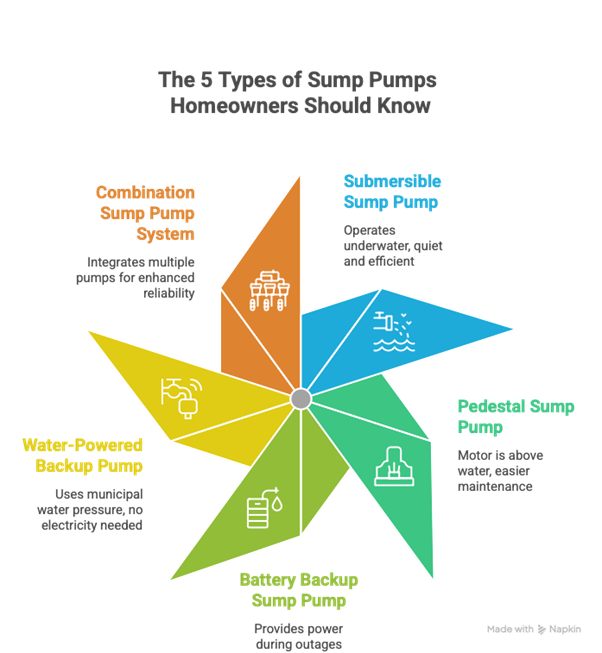
Submersible Pump Designs
Submersible pumps operate while fully underwater. They are sealed to prevent electrical damage.
These pumps are ideal for crawl spaces where water levels may rise significantly.
Automatic Pump Activation
Automatic systems activate when water levels reach a specific height. This allows the pump to operate even when homeowners are not present.
Debris Protection Screens
Crawl spaces often contain dirt and debris. Pumps with protective screens help prevent clogging.
Continuous Monitoring Systems
Modern pumps may include alarms or monitoring systems that notify homeowners when water levels increase.
Quick Fact: Standing water can begin damaging wooden floor supports within weeks if not removed.
Choosing Pumps That Protect Basements From Flooding
Basement flooding requires pumps capable of moving large water volumes quickly. Reliable pumps with backup power provide the best protection during storms.
When selecting the best pump to remove water from the basement, homeowners should focus on reliability and pumping capacity.
- High Capacity Motors – Basement pumps must remove water faster than it enters the sump pit during storms.
- Backup Battery Systems – Power outages are common during severe weather. Backup batteries allow pumps to continue running when electricity fails.
- Sealed Sump Basins – Sealed basins prevent moisture and odors from escaping into the basement environment.
- Long-Term Maintenance Access – Accessible pump systems allow homeowners to inspect and maintain the equipment more easily.
Warning Signs Your Home Needs a Pump System Installed
Early signs of water intrusion include odors, moisture stains, and damp structural materials. Recognizing these warning signals early can prevent expensive repairs.
An under house sump pump system may be necessary if these warning signs appear.
- Persistent Musty Odors – Moisture trapped under the house often produces a musty smell that spreads through the home.
- Water Stains on Concrete Walls – Mineral deposits or stains indicate groundwater seepage through foundation materials.
- Damp Insulation Beneath Floors – Moist insulation reduces energy efficiency and indicates crawl space humidity problems.
- Mold Growth in Crawl Spaces – Mold often appears in areas where moisture remains trapped for extended periods.
Key Takeaways
- Water accumulation under homes is often caused by groundwater pressure and poor drainage.
- Choosing the right sump pump depends on foundation type and groundwater levels.
- Crawl spaces require compact pumps designed for humid environments.
- Basement pumps must handle higher water volumes and stronger groundwater pressure.
- Proper drainage systems help direct water toward sump basins for efficient removal.
Conclusion
Water under a home is not just a minor inconvenience. It can gradually weaken the structural integrity of the building, damage insulation and flooring, and create conditions that allow mold to grow quickly.
Choosing the right sump pump requires understanding how water moves beneath your home, how much water needs to be removed, and which pump type fits your foundation structure. Crawl spaces, basements, and exterior drainage systems all require slightly different pumping solutions.
Professional drainage specialists can analyze groundwater movement, evaluate foundation conditions, and install systems that remove water safely and efficiently.
Virginia Foundation Solutions focuses on practical water management solutions designed to protect crawl spaces, basements, and foundations from long-term moisture damage.
Addressing drainage issues early helps homeowners avoid expensive repairs and maintain healthier living environments.
Ready to Protect Your Home From Water Damage Before the Next Storm?
Is water collecting under your house after every heavy rain?
The right sump pump system can remove groundwater before it damages your foundation, crawl space, or basement. Professional drainage experts can evaluate your property and install solutions designed to keep your home dry and protected.
If you want expert guidance on choosing the best sump pump system for your property, contact our team today and learn how professional drainage solutions can protect your home.